Why Dealer Prices Stay High When Wholesale Drops (And How to Win Anyway)
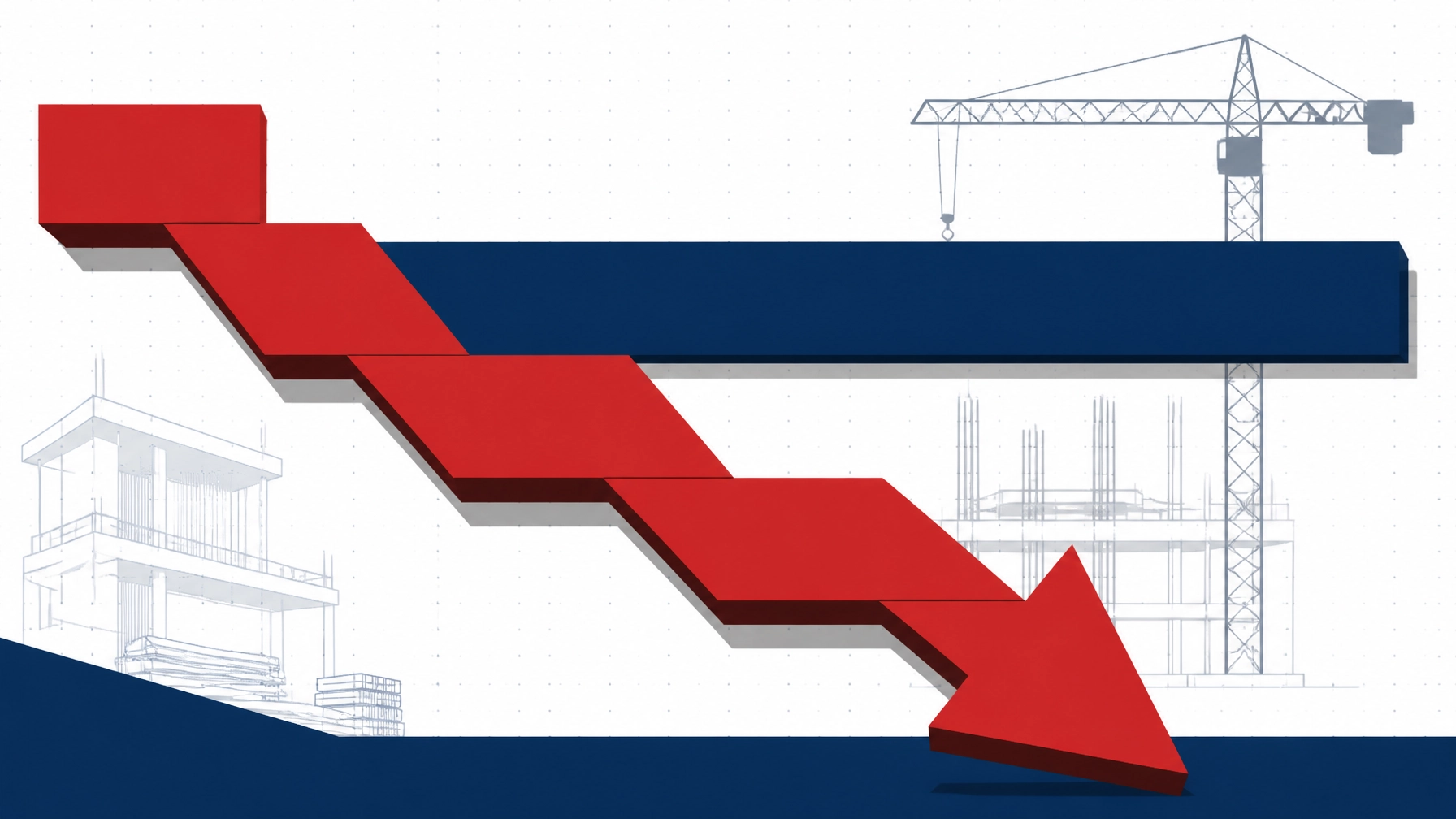
Wholesale prices tank. The news says lumber is cheap. You call your dealer. The price is still high. You feel the burn. Your margins shrink. The dealer won't budge. Stop the frustration. Understand the lag. Then beat the system.
The Reality of Retail Lag
Market news moves fast. Physical inventory moves slow. Mill prices drop on Monday. Dealer prices might drop in three months. This is building material distribution. It is not a stock market. It is a warehouse full of wood.
The Inventory Trap
Dealers buy in bulk. They bought when prices peaked. That wood sits in their yard. It cost them $1,200 per thousand board feet. Today’s market price is $600. If they sell to you at $600, they lose money. They lose big. They wait. They hope to sell the expensive stock first. You pay the price for their timing.
Asymmetric Pricing Mechanics
Prices go up like a rocket. Prices fall like a feather. When wholesale rises, dealers hike prices instantly. They protect future replacement costs. When wholesale falls, they hesitate. They protect past investments. It is a one-way street. You are the one driving. You need a detour.

Why "Street Prices" Are Sticky
"Street price" is what you pay. It is the price at the counter. It is "sticky" on the way down. Accounting rules create this stickiness.
The Average Cost Hurdle
Dealers track inventory value. They use average cost basis. High-priced loads mix with cheaper new loads. The average stays high for weeks. Dealers won't sell below their average cost. They need to maintain margins. They have overhead. Trucks. Insurance. Labor. Storage. Your discount is their deficit.
The 90-Day Delay
Lumber travels a long road. Mill to Wholesaler. Wholesaler to Dealer. Dealer to Jobsite. Every stop holds inventory. Every stop has old, expensive stock. It takes 60 to 90 days to flush the system. Fresh, cheap lumber is stuck behind the old stuff. You cannot wait 90 days. Your project starts now. Your bid is already out.

How Building Material Distribution Works
Knowledge is power. Know the players. Win the game.
- The Mill: Produces the wood. Prices move daily.
- The Wholesaler: Buys from mills. Sells to yards.
- The Dealer: Sells to you. Keeps the inventory.
- The Contractor: You. You need the best price.
The dealer is your primary contact. But the dealer is often the slowest to react. They are buried under stacks of 2x4s bought last quarter. They are locked into contracts. They are stuck. You don't have to be.
How to Win Anyway
Don't accept the first quote. Don't rely on one relationship. The "old friend" at the lumber yard is costing you money. The market dropped. Someone has the new price. You just have to find them.
Diversify Your Sourcing
Local yards have different inventory levels. One yard is full of expensive wood. Another yard just ran out. The yard that ran out is buying new stock today. They are buying at the new, lower wholesale price. They can underprice the competition. They want your business. Find the yard with the fresh inventory.
Leverage Competition
Dealers compete. When demand slows, they get nervous. They would rather sell at a small loss than not sell at all. Show them you have options. Get multiple quotes. Force the market to move. Use speed to your advantage.

The Lumber Loop Solution
Stop calling. Stop waiting for callbacks. Stop the phone tag. Lumber Loop changes the math. We connect you to the whole market.
Real-Time Market Access
You submit one request. We route it to dealers in your ZIP code. We route it to manufacturers. You reach the yards with the fresh inventory. You reach the suppliers who want to move product. You see the true market price. Not the "sticky" price.
Eliminate the Back-and-Forth
No more hours on the phone. No more "I'll check with the manager." Dealers respond directly to you. They see your specs. They see your timeline. They know they are competing. They lead with their best price. You compare. You choose. You win.
The Process: From Request to Delivery
Efficiency is profit. Follow these steps. Get back to work.
- Enter Your Specs: Go to lumberloopusa.com/request-quote.
- Submit Your ZIP: Identify your service area.
- Define Materials: Lumber, hardware, siding, or doors.
- Set Your Timeline: When do you need it?
- Get Responses: Watch your inbox.
- Compare Options: Review pricing and lead times.
- Select Your Partner: Click and connect.
Done.

Why Speed Matters
A quote is a snapshot in time. Lumber prices are volatile. A quote from last week is a relic. A quote from this morning is an asset. Contractors who source fast win bids. Contractors who source slow lose margins.
The Cost of Idle Crews
Waiting for a quote costs money. Your crew is on the clock. The project is stalled. Materials are the bottleneck. Lumber Loop removes the bottleneck. One request. Multiple quotes. Minutes, not hours. Get your materials. Get your crew working. Keep your profit.
Final Word for Contractors
Wholesale prices drop. Retail prices lag. This is a feature of the old system. Don't be a victim of the old system. The technology exists. The marketplace is ready. Reach the suppliers who are ready to move. Reach the ones who bought low. Save your margins. Grow your business.
Start your next quote now. Visit Lumber Loop U.S.A. Get back to the job site. Leave the phone tag behind.
Get matched with local dealers in minutes.
Submit your material needs and ZIP — we'll route to the closest qualified dealers in your market.
Request a Quote